
A Brief History of Our Collaboration.
Our collaboration began in 2021 during a period of significant educational disruption caused by COVID. Dr. Christine Bell, Prof. Erin Isings and Dr. Cecilia Dong first connected at a journal club hosted by Western’s Centre for Teaching and Learning. At that time, all three were noticing similar patterns in their classrooms. Students were trying to do their best under challenging circumstances, yet many were struggling to understand and use feedback in a productive way. It became clear that feedback was not only an academic issue but also a well-being issue.
Following the journal club, the three instructors met with Dr. Ken Meadows at the CTL to explore how the university might better support students in this area. These conversations sparked the earliest ideas for a coordinated feedback literacy initiative that would help students make sense of feedback, respond to it more confidently and feel supported throughout the process. The team also began to consider the role of mindfulness as a potential mechanism for student well-being, recognizing that emotional regulation and reflective practice could strengthen a student’s ability to engage with feedback.
As discussions continued, Christine, Erin and Cecilia reached out to colleagues across campus and found strong interest in a broader, multidisciplinary approach. This included drawing from dentistry, occupational therapy, law, information media and library studies and physiology and pharmacology. Integrating feedback literacy with mindfulness emerged as a new and innovative direction, one that had not been widely explored in the literature.
The collaboration expanded as undergraduate and graduate students joined as partners. Their experiences and perspectives shaped research questions, focus group design, and the development of early student-centered resources. The partnership model quickly became a defining feature of the project.
What began as three instructors identifying a shared problem during a difficult moment in higher education has grown into a sustained and evolving collaboration. The vision established by Christine Bell, Erin Isings and Cecilia Dong continues to guide the work. The team remains committed to creating accessible, research-informed resources that elevate student voice and strengthen feedback literacy as a foundation for learning and well-being. They established the Feedback Literacy and Learning Collaborative (2025) as a way to bring in a broader audience to join the conversation and share support.
VALUES
-
We develop student-centered, research-informed resources and partnerships that strengthen feedback literacy and well-being and support meaningful engagement with feedback.
-
The purpose of the Feedback Literacy and Learning Collaborative is to improve the way learners understand, interpret and use feedback by creating accessible tools, fostering supportive learning environments, and elevating authentic student voice. Our work brings together students, educators and researchers to share expertise, deepen understanding and build a connected international community committed to enhancing feedback practices and well-being across educational contexts.

Founders
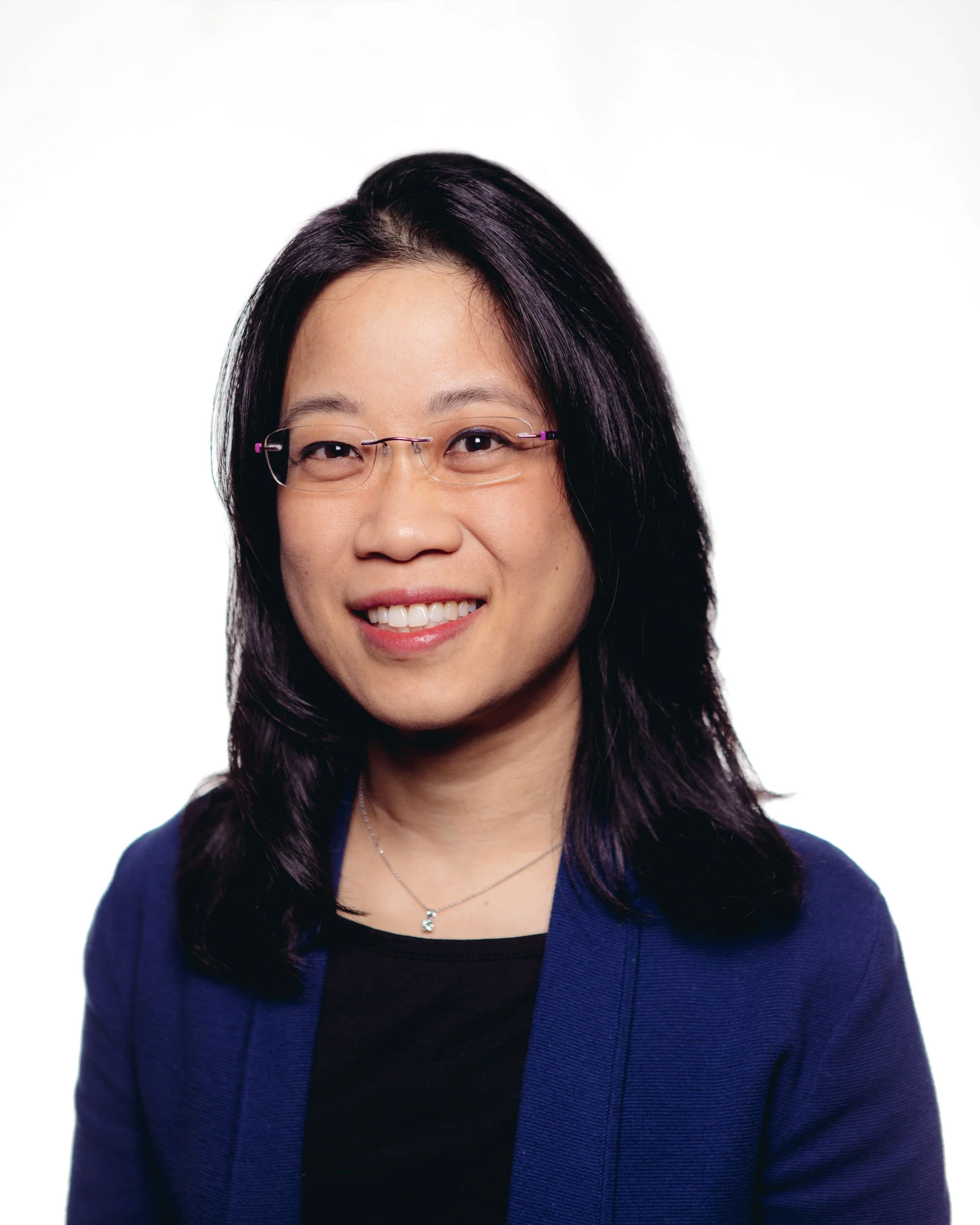
Dr. Cecilia S. Dong
Assistant Professor, Western University
Cecilia Dong is an Assistant Professor in Dentistry at Western University. She is a Centre Affiliate at the Centre for Education Research & Innovation (CERI) at Western University. Cecilia studied dentistry and worked as a dentist before further graduate training. Teaching undergraduate dental students was part of her Master of Science program in prosthodontics and this led to an academic career. While she has been involved in a broad range of dental research, she has developed an education research focus in feedback literacy that involves students as partners. Other areas of education research include: curriculum development and interprofessional education.
Cecilia also has a broad range of dental student teaching experience (preclinical and clinical) at several universities in Canada. She has provided continuing dental education to dentists, developed exam questions and been an examiner for dental organizations, and served on committees for dental organizations. Her attendance and presentations at local, national, and international conferences support development of academic connections with like-minded colleagues. She is a co-founder of the Feedback Literacy and Learning Collaborative, and is experienced in initiating collaborative research, developing methodology, and conducting qualitative analysis.
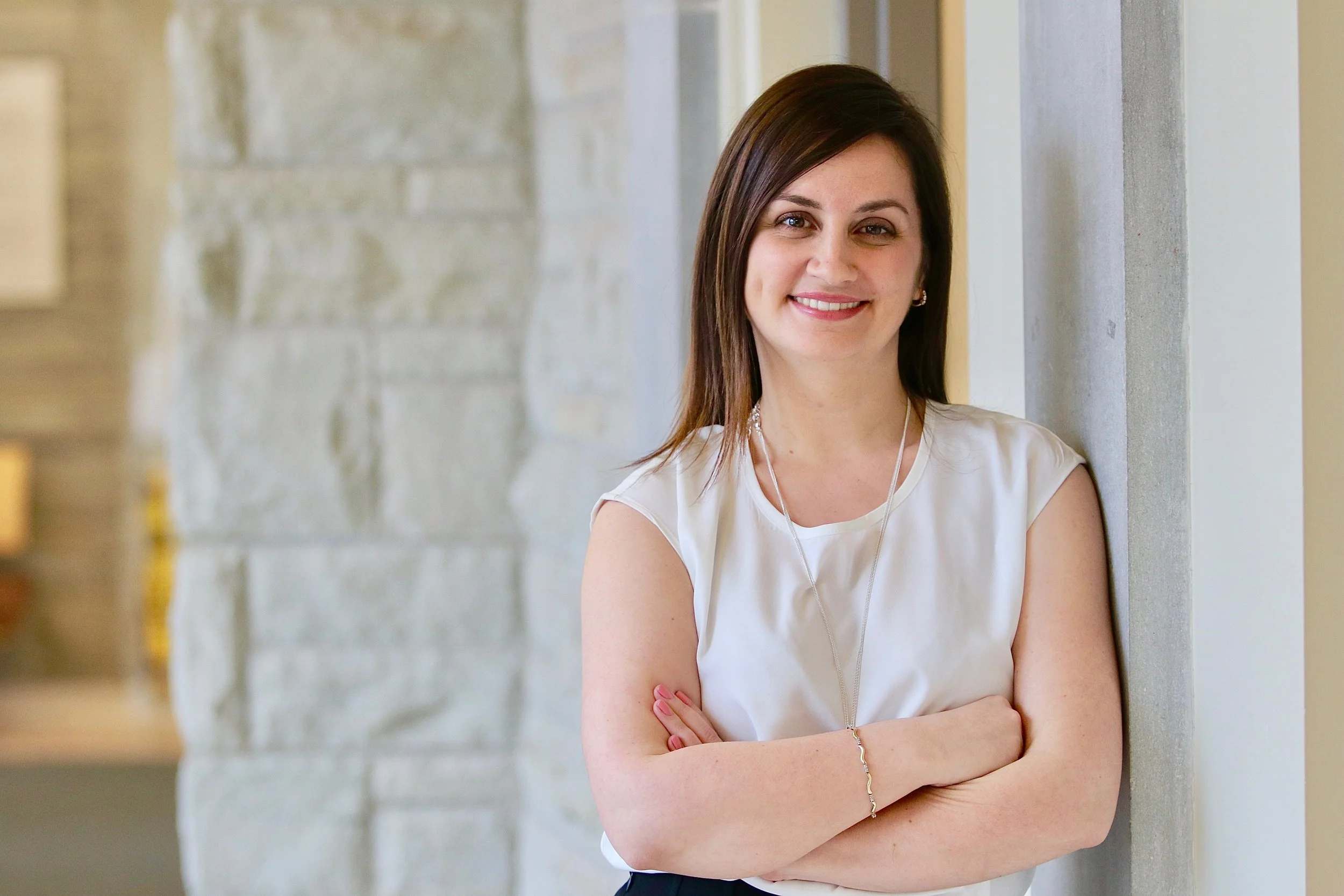
Dr. Christine E. Bell
Assistant Professor and Teaching Scholar, Western University
Christine Bell is a Teaching Scholar and Assistant Professor in Physiology and Pharmacology at Western University. She completed her PhD in reproductive biology and later transitioned into a teaching-focused career, which led her to the Scholarship of Teaching and Learning. Her current work focuses on feedback literacy, student agency and creating supportive, research-informed learning environments.
Christine teaches across all four undergraduate years and contributes to teaching in the medical and dental programs. She is a co-founder of the Feedback Literacy and Learning Collaborativeon, where she guides the development of student-centered resources and works closely with student partners who co-design and refine the project’s materials.
Christine also leads an undergraduate advocacy project on the UN Sustainable Development Goals and participates in outreach through judging student case-study competitions and supporting high school students in alternative programs. She serves on the Undergraduate Executive Committee for Physiology and Pharmacology and is committed to strengthening feedback literacy practices both locally and internationally.
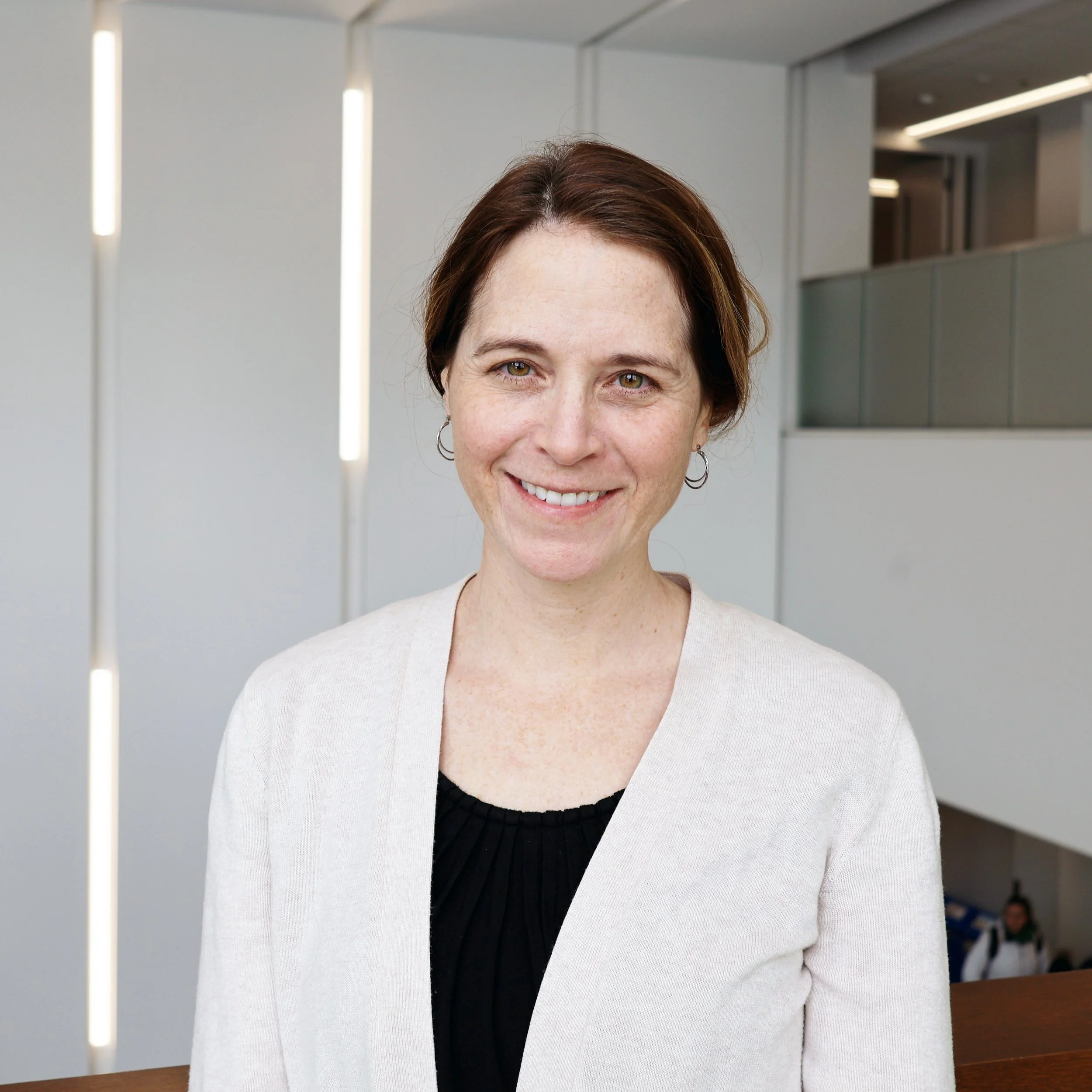
Professor Erin Isings
Assistant Professor and Teaching Scholar, Western University
Erin is an Assistant Professor and Teaching Scholar in the Faculty of Information & Media Studies at Western University. She completed her M.A. in Journalism at Western and worked in journalism, corporate marketing and non-profit communications before her post-secondary teaching career. Her Scholarship of Teaching and Learning work focuses on feedback literacy, professional skills development and supporting students as they navigate the adjustment from graduate school to media industries.
Erin teaches digital marketing and communications at the graduate and undergraduate level and leads the communications stream of a dual-degree program. She develops curriculum to support graduate students in negotiating the internship and work-placement process. As a co-founder of The Feedback Literacy & Learning Collaborative, Erin’s interests are understanding how students can use feedback literacy skills in school and in the workplace. She works with students as partners to understand how students process feedback in the first 24 hours after receipt and guides the knowledge mobilization process of research outputs.
It Takes a Village
Our collaborations are rooted in a shared commitment to student well-being. They have developed through connections with colleagues who share concerns about how students experience learning, assessment, and feedback.
We work with faculty and staff who bring expertise in skills that support student well-being, including mindfulness and feedback literacy. Taking a multidisciplinary and partnership-based approach, we collaborate with faculty, staff, and students to co-develop student-centered, research-informed resources that respond to real student needs. Please reach out if you are interested in discussing a potential collaboration and your research interests align with ours.
We are deeply grateful to the student partners and faculty and staff collaborators whose insight, care, and expertise have shaped this work and continue to strengthen our community.

We are committed to building meaningful, reciprocal partnerships with students. Student partners are involved in nearly all aspects of our work, including ethics development, research design, tool development, data collection, analysis, and knowledge mobilization and translation.
These partnerships are grounded in mutual respect, shared decision-making, and recognition of students’ lived experiences as a form of expertise. By working alongside students as collaborators rather than participants, we aim to co-create research and resources that are relevant, responsive, and firmly centered on student needs.
Each student contributed in unique ways and we would like to acknowledge that here.
Student–Partner Relationships
SSHRC
Eisha Baqai
Design and accessibility insights
Rama Eloulabi
Social science expertise and insights
Yun Bo Xi
Preparation of student information packet
PARR
Daniel Wang
Organization and project management
Jennifer Krul
User experience expertise
Josiane N’tchoreret-Mbiamany
Content creation, website design and aesthetics
Rayan Farahvash
Infographic development
Western SEED Grant, IDI, FSRE
Hugh Samson
Project management, insights into mindfulness and focus group thematic analysis
Samantha M. Jones
Statistical analysis and poster design
Collaborators
We are sincerely thankful to the faculty, staff, and professional collaborators who have contributed their time, expertise, and care to this work. These collaborations emerged from a shared commitment to supporting student learning and well-being, and from a willingness to work across disciplines, roles, and perspectives. Our collaborators have played an important role in shaping the direction of this project, strengthening its methodological and practical foundations, and ensuring the resources remain responsive to student needs. We are grateful for their generosity, collegiality, and ongoing engagement.
Danielle Dilkes – Center of Teaching and Learning, Western Ontario
Mark Daley – Professor, Department of Computer Science and Biology, Chief AI Officer, Western Ontario